
My Kids Vision

兒童近視

近視通常在7至13歲之間開始發展,這個時段兒童近視迅速發展。這可能是因為眼球生長得太快,或者在10-12歲後應停止增長時卻繼續生長。遺傳,環境和孩子的個人特徵都可以促進眼球過度的增長。

讓我們看一下兒童近視的症狀,如何進行診斷以及如何管理兒童的近視。
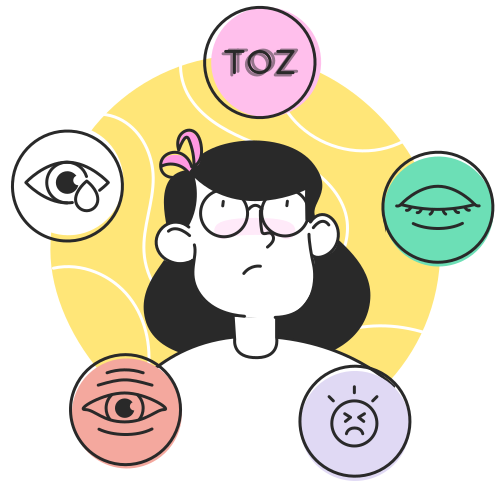
兒童近視症狀。

當他們開始上學,閱讀和定期與其他孩子互動時,通常是父母首先註意到近視。

兒童近視的一些常見症狀包括:

  • 投訴視力模糊
  • 將物體拿得非常靠近他們的臉
  • 坐得離屏幕非常近
  • 斜視或閉上一隻眼睛以看到更好
  • 經常揉眼睛
  • 頻密眨眼
  • 淚溢
  • 經常頭痛

如果您注意到任何這些症狀,或者您的孩子提到他們正在努力看清楚更遠的事物,那麼與眼科視光師預約是重要的。

管理兒童近視。

如果眼科檢查結果顯示您的孩子患有近視,他們則需要配戴眼鏡或隱形眼鏡才能看得清楚。對於兒童來說,眼鏡是最常見的解決方案,儘管隱形眼鏡也是其中一項選擇。兒童通常可以在很小的時候就可以很好地處理隱形眼鏡,研究表明,與配戴眼鏡相比,兒童配戴隱形眼鏡可以提高他們的自信心和參加學校和體育活動的能力。

儘管標準眼鏡能夠矯正兒童的遠距離視力模糊,但它們不會控制近視的增加。然而,有一些特殊類型的眼鏡和隱形眼鏡可供兒童使用,不僅可以矯正他們的視力,而且還可以降低近視發展的速度。您的眼科視光師可能還建議使用阿托品眼滴來減緩小學生近視發展,儘管他們仍然需要配戴眼鏡或隱形眼鏡來矯正其視力模糊。

孩子們正在成長,而且非常快。因此,定期重返眼科視光師檢查是重要的,以評估孩子的視力變化,並替換他們的眼鏡如果度數增加。同樣重要的是,通過更新的處方矯正其視力,可以避免在下次眼睛檢查前視力模糊發作。

為了減緩近視的增加,除了使用特殊類型的眼鏡,隱形眼鏡或阿托品眼滴,請嘗試限制您的孩子使用屏幕的時間,並鼓勵他們在戶外有更多的活動時間。

知識中心 風險評估

與兒童近視有關的內容

查看以下文章以獲取更多有關兒童近視的信息,或者前往我們的知識中心獲得更多資訊。

 All about the 20-20-20 rule for tackling eye strainVisual environmentScreen time All about the 20-20-20 rule for tackling eye strainPeople are spending more time on electronic devices than ever before. The 20-20-20 rule is a simple eye exercise to relax the eyes from prolonged screen use.阅读全文 ZEISS MyoCare lenses: parents’ guideSpectaclesGlassesZEISS MyoCare lenses: parents’ guideZEISS MyoCare is a myopia management solution from ZEISS that can help support myopia control in children.阅读全文 How do glasses lenses correct vision?SpectaclesGlassesHow do glasses lenses correct vision?Myopia and astigmatism are common vision conditions in children. Glasses can adjust how light enters the eye, allowing images to focus clearly on the retina. Prescription lenses help focus light accurately inside the eye so that people with myopia, hyperopia, or astigmatism can see clearly.阅读全文 Menicon Bloom Day contact lenses: parents’ guideSoft contact lensesMenicon Bloom Day contact lenses: parents’ guideWe look at Menicon Bloom Day soft contact lenses, how they are designed to manage myopia, and whether they may be suitable for your child.阅读全文 Corneal topography: what to expectExamination processesCorneal topography: what to expectCorneal topography is an imaging test that is used to map the shape and curvature of the cornea – the clear, front surface of the eye.阅读全文 ACUVUE Abiliti 1-Day contact lenses: parents’ guideSoft contact lensesACUVUE Abiliti 1-Day contact lenses: parents’ guideWe explain how ACUVUE Abiliti 1-Day contact lenses use a specialised optical design to correct vision and help slow myopia progression in children.阅读全文 SEED 1dayPure EDOF contact lenses: parents’ guideSoft contact lensesSEED 1dayPure EDOF contact lenses: parents’ guideWe explore SEED 1dayPure EDOF contact lenses, their unique design, and how they can help manage myopia in your child.阅读全文 What is repeated low-level red light (RLRL) therapy? Parents’ guideLight therapiesWhat is repeated low-level red light (RLRL) therapy? Parents’ guideWe explain how repeated low-level red light therapy works to slow myopia progression in children and teenagers, and when they could be a suitable treatment option.阅读全文 Axial length measurement: what to knowAxial lengthAxial length measurement: what to knowAxial length is the length of the eye from the front to the back, and is a key measurement of the eye阅读全文 
閱讀關於更多童年近視

參與討論

我們的社交媒體頻道為幫助孩子管理近視的家長提供了一個支持性的社群。

An unhandled exception has occurred. See browser dev tools for details. Reload 🗙